
Tailoring Your Home to the Landscape: The Role of Site-Specific Construction
When you’re planning to build a new home, the landscape should be more than just a backdrop – it’s an integral part of your design journey. Through thoughtful site analysis, you’ll discover how natural elements can enhance your living space and create a harmonious connection between indoor and outdoor environments.
Custom home construction that embraces landscape integration begins with understanding your property’s unique characteristics. Your home’s placement should consider natural drainage patterns, sunlight exposure, and existing vegetation. By working with these elements rather than against them, you’ll create a more sustainable and energy-efficient living space that requires less maintenance over time.
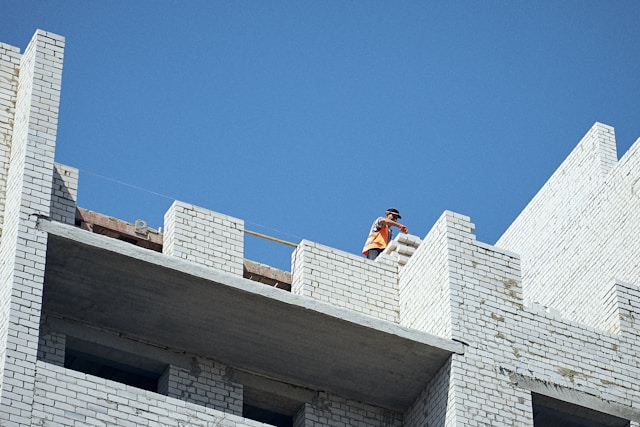
At John Koss Builders, we evaluate each site’s topography, soil conditions, and climate patterns to position your home at its best. This approach not only preserves the natural beauty of your property but also guarantees your home functions efficiently while minimizing its environmental impact. Your custom home becomes a natural extension of the landscape, creating a seamless shift between built and natural environments.
Introduction
When you’re planning to build your dream home, understanding site-specific construction can make the difference between a house that fights its environment and one that harmoniously adapts to it. Site-specific construction means carefully analyzing and incorporating your property’s unique features – from soil composition and drainage patterns to sun exposure and prevailing winds – into your home’s design. Your investment in this thoughtful approach results in a more sustainable, energy-efficient home that works with nature rather than against it.
Define site-specific construction and its importance in residential design
As homeowners become increasingly aware of environmental impact, site-specific construction has emerged as a cornerstone of modern residential design. This thoughtful approach considers your property’s unique characteristics – from soil composition and drainage patterns to sun exposure and prevailing winds – when designing your home.
Site-specific construction isn’t just about placing a house on a lot; it’s about creating energy-efficient homes that work in harmony with their surroundings. By incorporating sustainable design principles and passive solar design features, your home can take advantage of natural heating, cooling, and lighting opportunities. This approach reduces your environmental footprint while creating a more comfortable living space that’s naturally attuned to its environment. The result is a home that not only serves your needs but also preserves and enhances the natural features of your property.
Topography and Terrain Considerations
When you’re planning your home’s placement, understanding your property’s topography will shape vital decisions about your foundation type and drainage solutions. Your lot’s natural elevation changes and slopes aren’t obstacles to work against, but opportunities to create a structure that works harmoniously with the land. You’ll find that strategic positioning on your site can transform challenging grades into assets, enabling natural water flow patterns and potentially reducing the need for extensive grading or artificial drainage systems.
Discuss how elevation, slope, and contours affect foundation and drainage design
Understanding your property’s topography is essential for creating a stable, well-draining home foundation. When you work with your builder to analyze elevation changes and natural contours, you’ll identify ideal drainage solutions that protect your investment. Steeper slopes require specialized foundation designs and may need retaining walls or terracing to prevent erosion.
Your home’s positioning can take advantage of natural grade changes to incorporate walkout basements or eco-friendly materials for slope stabilization. Consider implementing rainwater harvesting systems that work with, rather than against, your property’s natural flow patterns. By respecting the land’s existing contours, you’ll minimize disruption to the natural watershed while ensuring proper water management around your foundation. This approach not only safeguards your home but also preserves the site’s natural drainage characteristics.
Climate and Weather Considerations
When you’re planning your dream home, the local climate should guide your design decisions just as much as the terrain. You’ll want to position your home to maximize natural sunlight and warmth during winter months while creating opportunities for cross-ventilation during summer. Working with experienced builders like John Koss guarantees your home’s orientation and design elements work in harmony with regional weather patterns to optimize energy efficiency and indoor comfort.
Explore climate-responsive design strategies like solar orientation and ventilation
How well your home responds to local climate patterns can dramatically impact both comfort and energy costs. When you’re planning your new home, understanding and leveraging natural elements through climate-responsive design can create a more sustainable living space that works in harmony with its environment.
Consider these essential climate-responsive strategies:
- Orient your home to maximize southern exposure during winter months while using roof overhangs to block intense summer sun
- Position windows and doors to capture prevailing breezes, creating natural cross-ventilation that reduces cooling needs
- Incorporate thermal mass features like concrete floors or stone walls that absorb heat during the day and release it at night
These design choices not only reduce your carbon footprint but also create a more comfortable living environment while lowering utility bills throughout the year.
Soil and Foundation Engineering
When you’re planning your dream home, understanding your soil composition through professional testing is an essential first step that directly impacts your foundation choices. Your site’s unique soil properties, from its load-bearing capacity to drainage characteristics, will determine whether you need a shallow foundation, deep foundation, or specialized engineering solutions. Working with experienced builders like John Koss Builders guarantees your foundation design aligns with local soil conditions, protecting your investment and securing long-term structural stability.
The importance of soil testing for selecting the right foundation type
Before breaking ground on your dream home, understanding your soil’s composition through proper testing is vital for long-term structural stability. Professional soil analysis reveals significant information about your site’s load-bearing capacity, drainage characteristics, and potential challenges that could affect your foundation’s performance.
When you invest in thorough soil testing, you’ll discover:
- The soil’s bearing capacity and compression strength, determining whether you’ll need a standard concrete foundation, helical piers, or other specialized solutions
- Water retention properties and drainage patterns that influence waterproofing requirements and foundation depth
- Soil expansion and contraction rates, which help select foundation materials and construction techniques that prevent future structural issues
This data guarantees your home’s foundation perfectly matches your site’s unique conditions, promoting durability while minimizing environmental impact.
Integrating Natural Features
When you’re planning your home’s design, existing natural features can become striking focal points that enhance your property’s character. You’ll find that mature trees can provide natural shade and cooling, while rock formations can be incorporated into retaining walls or landscape features that complement your home’s architecture. By thoughtfully positioning your home to embrace natural water features like streams or ponds, you’re creating a seamless indoor-outdoor connection while potentially reducing landscaping costs.
Discuss how trees, rocks, and water features can be incorporated into the design
Natural features on your property can become stunning focal points that enhance your home’s design and create harmony between architecture and landscape. When you work with site-specific construction experts, you’ll discover creative ways to preserve and showcase these elements.
- Mature trees can be incorporated into your design through wraparound decks, strategically placed windows, or courtyard layouts that protect root systems while providing natural shade
- Large rocks and boulders can serve as dramatic anchors for retaining walls, outdoor seating areas, or foundation accents that tie your home to the natural terrain
- Existing streams, ponds, or drainage patterns can inspire water-conscious landscaping, rain gardens, or waterfront viewing areas that maximize your property’s natural hydrology
Each element offers opportunities to create a home that respects and celebrates its environment.
Sustainability in Site-Specific Design
When you’re planning your site-specific home, sustainability should be at the forefront of your design decisions. You’ll want to incorporate energy-efficient materials that work with your local climate, from properly positioned windows that maximize natural light to insulation systems that respond to your region’s temperature patterns. Your home can also utilize smart rainwater collection systems that complement the natural drainage patterns of your property, reducing water waste while supporting your landscape’s needs.
Eco-friendly strategies such as energy-efficient materials and rainwater harvesting
As homeowners increasingly embrace sustainable design, site-specific eco-friendly strategies have become essential elements of modern construction. When you’re planning your custom home, integrating environmentally conscious solutions not only reduces your carbon footprint but also creates long-term value for your property.
Consider these key eco-friendly approaches for your site-specific construction:
- Select energy-efficient materials that complement your local climate, such as insulated concrete forms or structural insulated panels designed for your region’s temperature patterns
- Implement rainwater harvesting systems that work with your property’s natural drainage and can be used for landscape irrigation
- Position windows and solar panels to maximize natural light and energy collection based on your lot’s orientation and surrounding features
Local Building Codes and Permits
When you’re planning to build your dream home on a specific site, understanding and adhering to local building codes and permits is just as vital as the design itself. Your local zoning regulations will guide everything from setback requirements to height restrictions, ensuring your home’s design works in harmony with the community and landscape. Working with experienced builders like John Koss Builders means you’ll have knowledgeable partners who can navigate these requirements while maintaining your vision for a site-specific home that meets all legal obligations.
Importance of complying with local zoning regulations and necessary permits
Before you break ground on your dream home, understanding local zoning regulations and building permits isn’t just a legal requirement – it’s vital for guaranteeing your project’s success. Working with experienced builders like John Koss Builders helps navigate these significant requirements while protecting both your investment and the environment.
- Zoning regulations determine significant factors like setbacks, building height restrictions, and lot coverage – all of which impact how your home integrates with the surrounding landscape.
- Proper permits guarantee your construction meets safety standards, environmental protection guidelines, and neighborhood preservation requirements.
- Early compliance helps avoid costly delays, modifications, or penalties while maintaining harmony with local ecosystems and community planning goals.
Benefits of Site-Specific Construction
When you build a home that works in harmony with its surroundings, you’ll experience significant energy savings through natural heating, cooling, and lighting advantages. Your site-specific home will better withstand local weather patterns and environmental stresses, resulting in a more durable structure that requires less maintenance over time. By integrating your home’s design with the natural landscape, you’re not only creating a more sustainable living space but also enhancing your property’s long-term market value. A well-designed site-specific home helps prevent dampness and mold issues that can negatively impact both physical and mental health.
Highlight energy savings, durability, and increased home value
By carefully integrating your home’s design with the natural landscape, you’ll reveal significant long-term benefits. When you work with site-specific construction principles, your investment translates into lasting value through thoughtful environmental integration and smart design choices.
- Energy Efficiency – Your home’s positioning can maximize natural light and seasonal temperatures, reducing heating and cooling costs by up to 30% through strategic window placement and natural ventilation
- Structural Longevity – Building in harmony with local soil conditions and drainage patterns protects your foundation and prevents costly moisture-related repairs
- Property Value – Homes that complement their surroundings and incorporate sustainable features typically command higher resale values and attract environmentally conscious buyers
These advantages make site-specific construction an approach that serves both your immediate comfort and long-term financial interests.
Conclusion
When you design your home to harmonize with its natural surroundings, you’re creating more than just a building – you’re crafting a sustainable living space that works in concert with the environment. Your site-specific home will naturally regulate temperature, reduce energy costs, and preserve the local ecosystem while providing stunning views and natural lighting that enhance your daily life. By embracing the unique characteristics of your property’s topography, climate, and natural features, you’ll guarantee your home becomes an enduring part of the landscape rather than imposing upon it.
Recap the advantages of designing homes tailored to their landscape
As homeowners embrace landscape-conscious design, the benefits of tailoring homes to their natural settings become increasingly clear. When you work with the environment rather than against it, you’ll discover lasting advantages that enhance both your living experience and property value.
- Your home achieves ideal energy efficiency through strategic positioning that maximizes natural light, wind patterns, and thermal properties of the surrounding terrain
- You’ll enjoy reduced maintenance costs and enhanced durability as your home naturally resists local weather patterns and environmental stresses
- Your property seamlessly integrates with its surroundings, creating a harmonious connection between indoor and outdoor spaces while preserving the natural beauty of your site