
Green Building Made Easy: A Guide to Choosing Eco-Friendly Materials
When starting on a green building project, you’ll need to carefully evaluate your material choices to maximize environmental benefits. Understanding sustainable construction principles helps you select materials that reduce your carbon footprint while enhancing building performance. Consider factors like recycled content, local sourcing, and durability when choosing eco-friendly materials.
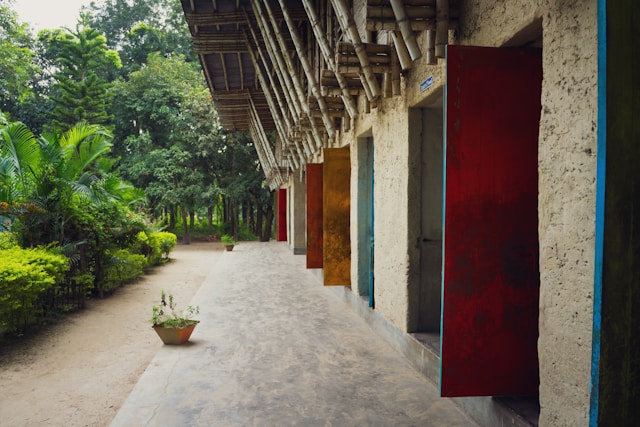
Focus on green building materials that serve multiple purposes. For example, reclaimed wood provides both structural integrity and aesthetic appeal while preventing deforestation. Energy-efficient windows with low-E coatings help maintain indoor temperatures and reduce heating costs. Choose materials with minimal volatile organic compounds (VOCs) to protect indoor air quality.
Sustainable insulation options, such as recycled denim or cellulose, offer excellent thermal performance while utilizing post-consumer waste. By selecting materials certified by recognized environmental standards, you’ll guarantee your choices align with established sustainability criteria and contribute to a healthier planet.
Introduction
When you’re planning your next construction project, choosing eco-friendly building materials can greatly reduce your environmental impact while creating a healthier living space. You’ll find that sustainable materials, from recycled steel to bamboo flooring, offer excellent durability and performance while consuming fewer natural resources in their production. These green alternatives not only support environmental conservation but often provide long-term cost savings through improved energy efficiency and extended product lifecycles.
Overview of green building materials and their benefits for sustainability
As sustainable construction practices continue to reshape the building industry, green building materials have emerged as essential components for eco-conscious homeowners.
When you’re planning your next construction project, you’ll find that energy-efficient building materials offer significant advantages for both the environment and your wallet. From low-carbon materials like bamboo and recycled steel to innovative insulation made from recycled materials, these sustainable options reduce your home’s environmental impact while improving its performance. These materials typically require less energy to manufacture and transport, resulting in a smaller carbon footprint. They’re also designed to enhance your home’s energy efficiency, leading to reduced utility costs and improved indoor comfort. By choosing sustainable materials, you’re not just building a home – you’re investing in our planet’s future.
Types of Green Building Materials
When selecting sustainable building materials, you’ll find excellent options in renewable resources like bamboo and cork, which regenerate quickly and reduce environmental impact. You can incorporate recycled steel into your construction project, which not only saves energy in production but also reduces landfill waste and mining demands. These eco-conscious materials offer durability while supporting your commitment to environmental stewardship, making them smart choices for your next building project.
Discuss renewable, recyclable, and low-impact materials like bamboo, cork, and recycled steel
The growing focus on sustainable construction has made renewable and recyclable building materials increasingly accessible to homeowners. When planning your next project, consider these LEED-certified materials that align with green architecture principles while maintaining structural integrity and aesthetic appeal.
- Bamboo flooring offers superior durability and grows to maturity in just 5-7 years, making it one of the most rapidly renewable building resources available
- Cork, harvested from tree bark without harming the tree, provides excellent insulation and natural sound dampening properties
- Recycled steel reduces mining impact and energy consumption while offering exceptional strength-to-weight ratios
Energy-Efficient Materials
When selecting energy-efficient materials for your home project, you’ll want to prioritize high-performance insulation that prevents heat transfer and maintains consistent indoor temperatures. Energy-efficient windows with low-E coatings and double or triple panes can greatly reduce your heating and cooling costs while providing ideal natural lighting. Cool roofing materials, such as reflective shingles or metal roofing, help minimize heat absorption and can lower your home’s cooling requirements during warmer months.
Importance of insulation, energy-efficient windows, and cool roofing materials for energy savings
Since modern homes lose up to 30% of their energy through poorly insulated walls and windows, choosing the right energy-efficient materials is essential for sustainable building. When you’re planning your next construction project, prioritize materials that enhance both indoor air quality and energy conservation.
- High-performance insulation with ideal R-values helps maintain consistent temperatures while reducing heating and cooling costs
- Double or triple-pane windows with low-E coatings reflect harmful UV rays while preventing heat transfer between indoor and outdoor spaces
- Cool roofing materials with high solar reflectance indices (SRI) minimize heat absorption and decrease your home’s cooling requirements
Sustainable Resources
When you’re seeking truly sustainable building materials, consider incorporating fast-growing renewable resources like bamboo flooring, hemp-based products, and natural wool insulation into your construction plans. You’ll find these materials offer excellent durability while greatly reducing your project’s environmental impact compared to traditional options. By partnering with John Koss Builders, you can access their expertise in sourcing and implementing these eco-friendly materials, ensuring your home benefits from nature’s most sustainable resources.
Use of renewable resources like bamboo, hemp, and wool insulation in construction
Builders are increasingly turning to renewable resources as sustainable alternatives to traditional construction materials. When you’re planning your next construction project, consider these rapidly renewable materials that offer both environmental benefits and exceptional performance.
- Bamboo flooring and structural elements provide strength comparable to steel while regenerating in just 3-5 years
- Hemp-based materials offer superior insulation properties and can be used in everything from wall construction to countertops, while being naturally pest-resistant
- Wool insulation delivers excellent thermal and acoustic properties while being fire-resistant and fully biodegradable
These materials not only reduce your environmental impact but also create healthier living spaces. By choosing renewable resources, you’re investing in both your home’s future and the planet’s well-being, while often achieving better performance than traditional materials.
Benefits of Green Materials
When you select eco-friendly building materials, you’ll benefit from enhanced energy efficiency through improved insulation and reduced thermal transfer, while creating healthier indoor spaces with better air quality due to low-VOC materials. Your choice of green materials contributes directly to waste reduction through recyclable components and sustainably-sourced products that minimize environmental impact throughout their lifecycle. Beyond the environmental advantages, incorporating these sustainable materials can increase your property’s market value, as energy-efficient homes with eco-friendly features are increasingly sought after by today’s environmentally conscious buyers.
Discuss energy efficiency, improved air quality, waste reduction, and increased property value
Through decades of experience in sustainable construction, John Koss Builders has witnessed how eco-friendly materials deliver multiple benefits that extend far beyond environmental impact. When you choose green building materials, you’re investing in solutions that create lasting value for your home and community.
- Energy-efficient materials like advanced insulation and low-E windows can reduce your heating and cooling costs by up to 30%, while providing consistent indoor temperatures
- Non-toxic, sustainable materials improve indoor air quality by eliminating harmful VOCs and other pollutants, creating healthier living spaces for your family
- Eco-friendly construction generates less waste through recyclable materials and precise planning, while increasing your property’s market value by an average of 10% compared to conventional builds
These benefits make sustainable materials a smart choice for both your home and the environment.
How to Choose Eco-Friendly Materials
When selecting eco-friendly building materials, you’ll want to evaluate their complete life cycle analysis, from raw material extraction through disposal, while prioritizing locally sourced options that minimize transportation impacts. You can verify a material’s environmental credibility by checking for recognized certifications like FSC for wood products or GREENGUARD for low-emission materials. To maximize your investment’s environmental impact, choose materials that offer superior durability and longevity, reducing the need for frequent replacements and ultimately lowering your project’s carbon footprint.
Factors to consider: life cycle analysis, local sourcing, durability, and certifications
Selecting eco-friendly building materials requires careful evaluation of several key factors to secure truly sustainable choices. When evaluating materials, you’ll need to regard their complete environmental impact from production to disposal, while also examining their practical performance capabilities.
- Life cycle analysis tracks environmental impacts from raw material extraction through manufacturing, transportation, installation, use, and eventual disposal or recycling
- Local sourcing reduces transportation emissions while supporting regional economies – aim for materials produced within 500 miles of your project site
- Third-party certifications like FSC (Forest Stewardship Council) and Cradle to Cradle verify environmental claims and secure materials meet specific sustainability standards
Remember to prioritize durability – materials that last longer ultimately consume fewer resources and create less waste, even if they cost more initially.
Green Building Certifications
When you’re considering eco-friendly building materials, understanding green building certifications can help validate your sustainable choices. LEED certification, the most widely recognized standard, evaluates materials based on their environmental impact, while Energy Star certification specifically focuses on energy efficiency in building components and systems. These certifications, along with others like the Forest Stewardship Council (FSC) for wood products, provide independent verification that your selected materials meet established environmental and sustainability standards.
Explanation of LEED, Energy Star, and other certifications that ensure sustainability
Building certifications stand out as essential markers of environmental responsibility in modern construction. When you’re planning your next building project, understanding these key certifications will help you make informed decisions about sustainable materials and practices.
- LEED (Leadership in Energy and Environmental Design) certification evaluates your building’s environmental performance across multiple categories, including water efficiency, energy use, and material selection
- Energy Star certification focuses specifically on your building’s energy performance, ensuring it meets strict efficiency guidelines set by the EPA
- NGBS (National Green Building Standard) certification verifies that your home meets thorough sustainability requirements, from site design to resource efficiency
These certifications not only validate your commitment to environmental stewardship but also can lead to significant cost savings through reduced energy consumption and increased property value.
Regional Considerations for Manitowoc
When building in Manitowoc’s climate, you’ll need to contemplate materials that can withstand extreme temperature fluctuations, from humid summers to frigid winters. John Koss Builders can help you select insulation and window systems specifically engineered for Wisconsin’s weather patterns, maximizing your home’s energy efficiency year-round. Your eco-friendly material choices should prioritize thermal resistance and moisture control while maintaining sustainable standards that contribute to both environmental protection and reduced energy costs.
How Manitowoc’s climate influences material selection for energy efficiency and comfort
Given Manitowoc’s location along Lake Michigan, the region experiences significant temperature fluctuations and moisture exposure throughout the year, making proper material selection vital for home efficiency.
When you’re building or renovating in this climate, it’s important to choose materials that can withstand these unique conditions while maintaining energy efficiency. Local construction expert John Koss Builders recommends focusing on:
- High-performance insulation with moisture-resistant properties, such as closed-cell foam or mineral wool, to combat lake-effect humidity and temperature swings
- Impact-resistant windows with low-E coatings and triple-pane construction to protect against harsh winter winds while maximizing solar heat gain
- Moisture-resistant exterior materials like fiber cement siding or engineered wood products that won’t warp or deteriorate from exposure to lake-effect precipitation
Long-Term Value of Green Building
When you invest in eco-friendly building materials through John Koss Builders, you’ll benefit from superior durability that translates to fewer repairs and replacements over time. Your sustainable choices, from recycled materials to energy-efficient systems, will reduce ongoing maintenance costs while increasing your property’s market value. By partnering with experienced green builders, you’re securing both immediate construction quality and long-term financial advantages through reduced utility bills and extended material lifecycles. Proper home insulation solutions can significantly decrease your energy consumption and carbon footprint while maintaining comfortable indoor temperatures year-round.
Benefits of green building materials for durability, reduced maintenance, and long-term savings
Although initial costs of green building materials may be higher, their long-term value considerably outweighs traditional options through enhanced durability and reduced maintenance requirements. When you invest in sustainable materials, you’re securing both environmental and financial benefits for years to come.
- Eco-friendly materials like bamboo flooring and recycled steel resist wear, decay, and structural damage better than conventional alternatives, reducing replacement frequency
- High-performance windows and sustainable insulation materials minimize energy loss, leading to significant reductions in heating and cooling costs
- Natural materials such as cedar siding and stone require minimal chemical treatments and less frequent maintenance, cutting down on both maintenance expenses and environmental impact
Conclusion
You’ll find that selecting eco-friendly building materials is an essential investment in both your home’s future and environmental sustainability. By working with experienced contractors like John Koss Builders who understand green building practices, you’re ensuring ideal material choices that maximize energy efficiency while minimizing environmental impact. Your commitment to sustainable materials today will translate into reduced energy costs, improved indoor air quality, and a smaller carbon footprint for years to come.
Recap of choosing eco-friendly materials for energy-efficient, sustainable homes
Throughout this exploration of eco-friendly building materials, we’ve discovered how sustainable choices can dramatically impact both environmental preservation and long-term energy efficiency. By choosing the right materials for your home, you’re not just creating a comfortable living space – you’re investing in our planet’s future. As experienced builders have shown, sustainable construction doesn’t mean compromising on quality or aesthetics.
Key takeaways to remember when selecting eco-friendly materials:
- Prioritize renewable and recycled materials that reduce environmental impact while maintaining structural integrity
- Focus on energy-efficient options like high-performance insulation and double-pane windows to minimize long-term energy consumption
- Consider locally-sourced materials to reduce transportation emissions and support your community’s economy
Your choices in sustainable building materials today will create lasting benefits for generations to come.