
Seasonal Home Maintenance: Keep Your Home in Top Shape Year-Round
As seasons change throughout the year, your home requires specific maintenance tasks to remain safe, efficient, and structurally sound. Implementing a systematic seasonal home maintenance schedule helps prevent costly repairs and guarantees your property maintains its value over time.
Start each season by inspecting your home’s exterior, including the roof, gutters, and foundation. Your HVAC system maintenance should align with seasonal shifts – schedule professional inspections before peak heating and cooling periods. In spring and fall, examine window seals, door weatherstripping, and insulation to optimize energy efficiency.
Preventive home care extends to checking smoke detectors, carbon monoxide sensors, and security systems quarterly. Monitor your plumbing for leaks, clean dryer vents, and inspect electrical systems regularly. Keep detailed records of all maintenance activities, including dates, services performed, and contractors used. This documentation helps track your home’s maintenance history and anticipate future needs, guaranteeing your property remains well-maintained throughout the year.
Introduction
Your home represents a significant investment that requires consistent care to maintain its value and functionality. Through strategic seasonal maintenance, you’ll protect your property from weather-related damage while optimizing its energy efficiency throughout the year. Regular upkeep not only prevents costly repairs but also guarantees your home operates at peak performance during every season.
Importance of seasonal home maintenance for long-term home care and efficiency
While many homeowners focus on addressing repairs only when problems arise, regular seasonal maintenance is essential for protecting your home’s value and functionality. By implementing a proactive maintenance schedule, you’ll identify potential issues before they become costly problems, ensuring home value preservation over time. Seasonal home inspections allow you to adapt your maintenance routine to changing weather conditions, protecting your property from environmental damage while maximizing energy efficiency. You’ll save remarkably on utility bills and repairs by addressing small issues promptly, from checking insulation before winter to inspecting air conditioning systems before summer. This systematic approach to home care not only extends your home’s lifespan but also creates a safer, more comfortable living environment for you and your family.
Spring Home Maintenance
As winter thaws, you’ll need to examine your roof for damaged shingles, clear gutters of debris, and guarantee proper drainage to prevent water damage to your home’s foundation. It’s crucial to schedule your HVAC system’s spring maintenance, including filter replacement and condenser unit cleaning, to prepare for the upcoming cooling season. Your lawn requires attention too, with tasks such as removing dead grass, testing soil pH, and reseeding bare patches to establish healthy growth before summer arrives.
Roof inspection, gutter cleaning, HVAC servicing, and lawn preparation
Once winter’s grip loosens, spring home maintenance tasks become essential for protecting your home’s structural integrity and systems. Your spring checklist should prioritize inspecting your roof for winter damage, guaranteeing gutters are clear of debris, and servicing your HVAC system for peak performance. Proper gutter cleaning prevents water damage, while furnace maintenance extends equipment life and improves efficiency.
| Task | Benefit |
|---|---|
| Roof Inspection | Identifies winter storm damage |
| Gutter Cleaning | Prevents water infiltration |
| HVAC Service | Guarantees cooling efficiency |
| Lawn Care | Promotes healthy growth |
Don’t forget to prepare your lawn by removing debris, aerating soil, and checking irrigation systems. This all-encompassing approach to spring maintenance helps prevent costly repairs and guarantees your home’s systems function efficiently throughout the warmer months ahead.
Summer Home Maintenance
You’ll want to start your summer maintenance with a thorough inspection of your air conditioning system, including cleaning or replacing filters and checking refrigerant levels. Your outdoor plumbing requires careful attention during this season, so examine all exterior faucets, irrigation systems, and drainage patterns around your home’s foundation. To maximize energy efficiency during peak cooling months, you should seal any air leaks around windows and doors, ascertain proper insulation in your attic, and consider installing window treatments that block solar heat gain.
AC checks, outdoor plumbing inspections, and energy efficiency tips
When summer temperatures soar, it’s imperative to conduct thorough maintenance checks on your home’s cooling and plumbing systems. Your AC unit requires regular filter changes and coil cleaning to maintain peak efficiency. As a homeowner, you’ll need basic DIY tools like a multimeter and fin comb to inspect electrical connections and straighten bent condenser fins.
Check outdoor plumbing fixtures for leaks, including spigots, irrigation systems, and pool equipment. Test water pressure and inspect visible pipes for signs of corrosion or damage. To maximize energy efficiency, seal any gaps around windows and doors, install programmable thermostats, and secure proper attic ventilation. Consider adding window films or cellular shades to reduce solar heat gain. These preventive measures will help maintain comfort while minimizing utility costs throughout the summer season.
Fall Home Maintenance
As winter approaches, you’ll need to prioritize your home’s heating system by scheduling professional furnace maintenance and sealing any air leaks around windows and doors. Your fall maintenance checklist should include thorough gutter cleaning to prevent ice dams and water damage during the cold months ahead. To protect against autumn storms, you’ll want to inspect your roof for loose shingles, trim overhanging tree branches, and guarantee your drainage systems are functioning properly.
Furnace maintenance, weatherproofing, gutter cleaning, and storm prep
Fall’s arrival signals the critical time to prepare your home for colder weather and potential storms. Schedule professional furnace maintenance to guarantee efficient heating and safety throughout winter. Check for worn weatherstripping around doors and windows, replacing as needed to prevent heat loss. Install storm windows and doors if you haven’t already.
Clear your gutters of leaves and debris to prevent ice dams and water damage. Test your sump pump and guarantee proper drainage around your foundation. Inspect your roof for damaged shingles that could fail during storms. Consider adding insulation to your attic to maintain consistent indoor temperatures and reduce energy costs. Don’t forget to disconnect garden hoses and wrap exterior pipes to prevent freezing. These preventive measures will protect your home’s integrity and your family’s comfort through the challenging winter months.
Winter Home Maintenance
You’ll need to focus on three critical aspects of winter home maintenance to protect your investment during the coldest months. Your first priorities should be preventing frozen pipes through proper insulation of exposed plumbing and maintaining your heating system with professional inspections and filter changes. It’s crucial to verify your home’s insulation effectiveness in walls, attics, and crawl spaces, as proper insulation not only prevents heat loss but also helps avoid ice dams and other winter-related structural issues.
Preventing frozen pipes, maintaining heating systems, and ensuring insulation
When winter temperatures plummet below freezing, your home’s pipes, heating system, and insulation need strategic protection to prevent costly damage. Implement these proven techniques to safeguard your home’s critical systems during harsh winter conditions.
| System | Prevention | Action Required |
|---|---|---|
| Pipes | Insulate exposed pipes | Install foam sleeves or heat tape |
| Pipes | Maintain temperature | Keep thermostat above 55°F |
| Heating | Schedule maintenance | Book annual professional inspection |
| Insulation | Check attic coverage | Add R-value if below R-30 |
You’ll need to insulate exposed pipes in unheated areas like crawl spaces and garages. Keep cabinet doors open under sinks during extreme cold to allow warm air circulation. For your heating system, replace filters monthly and make sure all vents remain unobstructed. Check weather stripping around doors and windows to maintain efficient indoor temperatures.
Preventive Home Maintenance
By conducting regular inspections of your home’s critical systems, you’ll identify potential issues before they escalate into costly repairs. You’ll need to maintain a systematic schedule for cleaning gutters, checking roof conditions, testing safety devices, and examining foundation integrity. These proactive measures, which John Koss Builders can help you implement, will protect your investment and guarantee your home’s peak performance throughout the year.
Regular inspections, cleaning, and small repairs to prevent major issues
Regular home inspections throughout the year serve as the foundation of effective preventive maintenance. You’ll want to check your home’s exterior walls, foundation, and roof for cracks, damage, or signs of water infiltration. Examine window seals, door frames, and weatherstripping to identify potential air leaks or deterioration.
Inside your home, inspect plumbing fixtures for leaks, test smoke detectors, and clean your HVAC system’s filters monthly. Don’t overlook your gutters and downspouts – keep them clear of debris to prevent water damage. Check your attic for proper ventilation and insulation integrity.
DIY Maintenance Tools
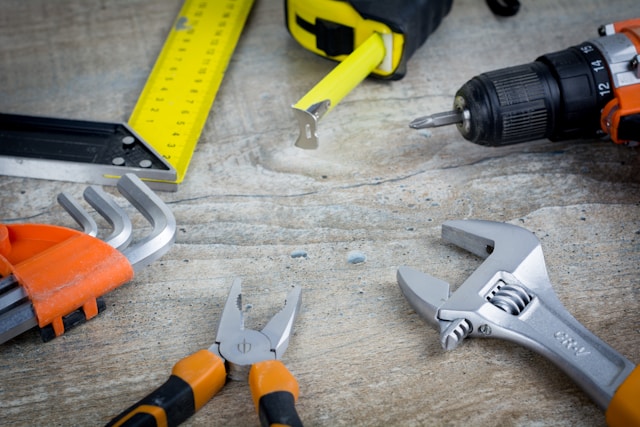
You’ll need a well-organized collection of basic hand tools, including hammers, screwdrivers, pliers, and wrenches, to perform essential home maintenance tasks throughout the year. A power drill with various bits, along with a sturdy ladder, safety equipment, and measuring tools, will enable you to tackle both indoor and outdoor projects efficiently. Your maintenance toolkit should also include specialized seasonal items such as gutter scoops, caulking guns, and HVAC filter replacement tools to address specific requirements during different times of the year.
Common tools homeowners can use for seasonal maintenance tasks
Every well-equipped homeowner’s toolkit should contain six essential items for year-round maintenance tasks. These tools enable you to perform routine maintenance efficiently while addressing seasonal challenges that affect your home’s integrity and comfort.
| Tool Type | Primary Uses |
|---|---|
| Caulking Gun | Seal gaps, weatherproof windows |
| Adjustable Wrench | Tighten plumbing fixtures, nuts |
| Power Drill | Install hardware, remove fixtures |
| Level | Align installations, check slopes |
| Moisture Meter | Test wood, detect water damage |
You’ll need these tools to maintain gutters, seal drafts, repair minor plumbing issues, and complete other essential tasks throughout the year. Keep your tools organized and easily accessible in a dedicated storage area, protected from moisture and extreme temperatures. Regular maintenance of your tools, including cleaning and proper storage, will guarantee they’re ready when you need them.
Local and Regional Factors (Manitowoc, WI)
Your home in Manitowoc, WI faces unique maintenance challenges due to the region’s harsh winter temperatures, heavy snowfall, and seasonal storms that can impact structural integrity. You’ll need to focus on weatherproofing, maintaining proper insulation, and ensuring your heating systems are operating at peak efficiency to combat the extreme cold conditions. John Koss Builders recommends implementing a preventive maintenance schedule that aligns with Manitowoc’s distinct seasonal patterns, particularly emphasizing fall preparations for winter and spring repairs from any cold-weather damage.
Key considerations for Manitowoc’s climate and how to prepare for extreme weather
Living in Manitowoc, Wisconsin presents distinct climate challenges that require careful home preparation throughout the year. You’ll need to protect your home against subzero winter temperatures, heavy snowfall, spring storms, and humid summers. Focus on insulating your attic and walls, sealing windows and doors, and maintaining your HVAC system for peak performance.
Install ice dam prevention measures on your roof and guarantee proper drainage systems to handle spring thaws and rain. You’ll want to inspect your foundation regularly for frost heave damage and maintain your sump pump system. During summer, proper ventilation becomes essential to manage humidity levels and prevent moisture damage. Consider installing storm windows and doors for additional protection against extreme weather conditions, and don’t forget to inspect your roof annually for winter-related wear.
Benefits of Seasonal Maintenance
Regular seasonal maintenance will boost your home’s market value while protecting your investment for years to come. You’ll notice significant energy savings through properly timed inspections and repairs of your home’s essential systems, particularly during Manitowoc’s challenging weather shifts. By following a systematic maintenance schedule, you’re reducing the likelihood of emergency repairs and avoiding the higher costs typically associated with reactive maintenance.
Increased home value, energy savings, and fewer emergency repairs
When homeowners commit to seasonal maintenance, they’ll realize three significant financial benefits: increased property value, reduced energy costs, and prevention of costly emergency repairs.
You’ll maintain your home’s market value by addressing issues before they escalate. Regular upkeep of your HVAC system, roof, siding, and foundation signals to potential buyers that your property has been well-maintained. Through proactive maintenance, you’ll optimize your home’s energy efficiency by sealing drafts, maintaining insulation, and ensuring HVAC systems operate at peak performance. These efforts typically reduce monthly utility bills by 10-15%.
Most importantly, you’ll avoid unexpected repair costs. By identifying and fixing minor issues during routine maintenance, you prevent them from developing into major problems that require emergency service calls, which often cost three times more than scheduled repairs.
Conclusion
Regular seasonal maintenance on your home is a proven strategy to prevent costly repairs and maximize your property’s efficiency. By following a systematic maintenance schedule throughout the year, you’ll protect your investment while ensuring peak performance of your home’s critical systems. Your commitment to proactive maintenance will extend your home’s lifespan, maintain its value, and provide you with a comfortable, safe living environment year-round.
Recap the value of seasonal maintenance in keeping your home functional and efficient
Maintaining your home throughout the seasons isn’t just about addressing immediate issues – it’s a thorough approach that protects your investment and maximizes your property’s efficiency. By following a seasonal maintenance schedule, you’ll prevent costly repairs and guarantee your home’s systems operate at peak performance.
| Season | Primary Focus | Key Benefits |
|---|---|---|
| Spring | Exterior repairs | Prevents water damage |
| Summer | HVAC & ventilation | Maximizes energy efficiency |
| Fall/Winter | Insulation & weatherization | Reduces heating costs |
Your diligence in performing regular maintenance tasks will extend your home’s lifespan, maintain its value, and create a safer, more comfortable living environment. Remember that each season presents unique challenges and opportunities to improve your home’s functionality. By staying proactive, you’re investing in your property’s long-term health and performance.